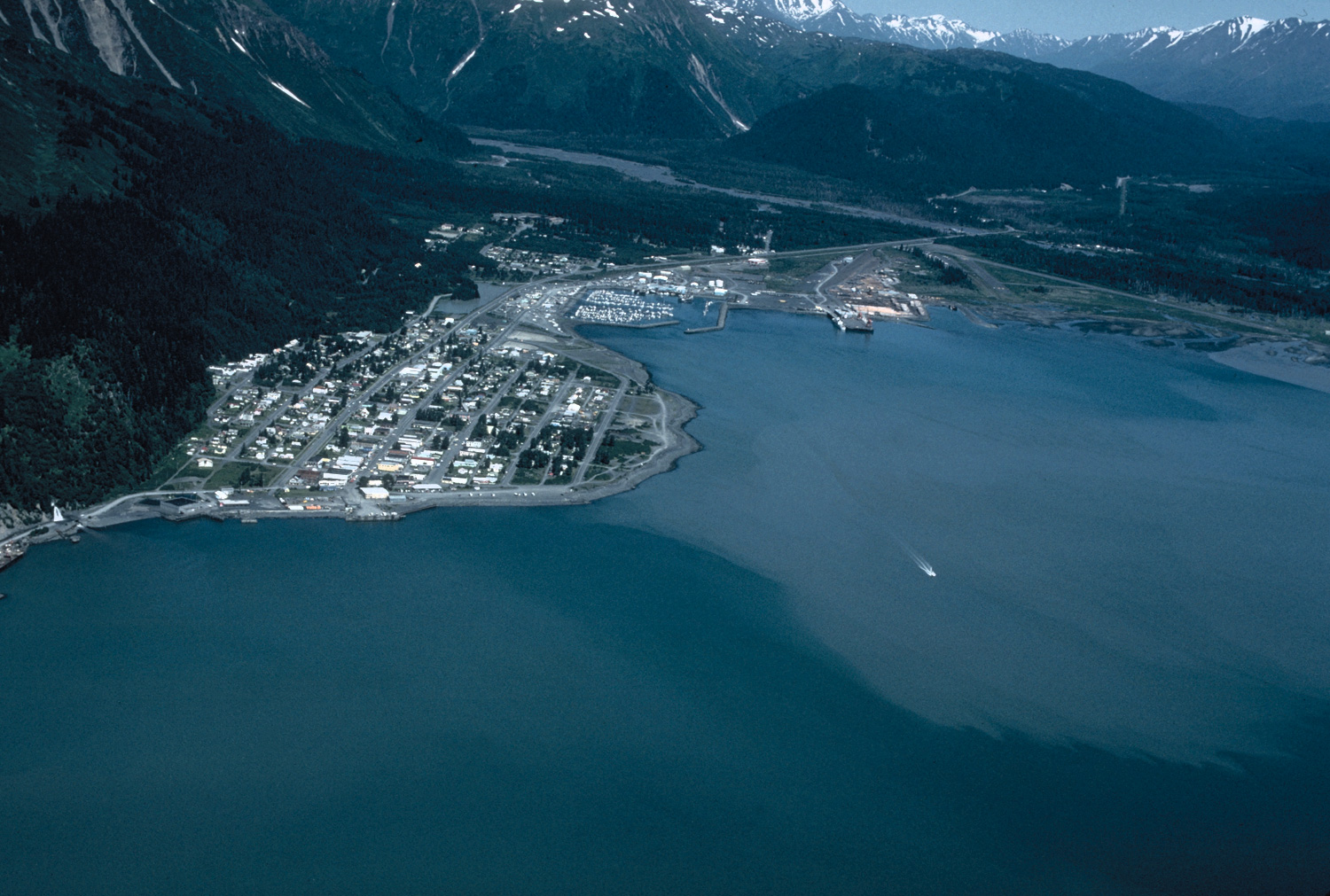
On March 24, 1989, the supertanker Exxon Valdez struck Bligh Reef, spilling 11 million gallons of crude oil into the pristine waters of Prince William Sound. The resulting ecological disaster devastated thousands of miles of Alaska’s coastline, killing hundreds of thousands of seabirds, thousands of sea otters, and dozens of killer whales.
In the immediate aftermath of the spill, the state’s scientific community faced a harsh reality: Alaska lacked the centralized scientific laboratories, diagnostic equipment, and veterinary facilities required to treat oiled wildlife or conduct long-term ecological monitoring.
The path to building this critical infrastructure led directly to one of the most significant environmental legal settlements in global history: the Exxon Valdez Oil Spill Trustee Council.
The Settlement Architecture
In 1991, a federal court approved a massive settlement between the United States, the State of Alaska, and Exxon Corporation, totaling $900 million in civil payments and $125 million in criminal fines.
To manage these funds and oversee the restoration of the injured ecosystems, the Exxon Valdez Oil Spill (EVOS) Trustee Council was established. The council recognized that true restoration required permanent, dedicated marine research facilities.
       +---------------------------------------------+
       |         Exxon Valdez Legal Settlement       |
       |  +---------------------------------------+  |
       |  |  EVOS Trustee Council Funds Allocated  |  |
       |  |  (Restoration & Science Mandate)      |  |
       |  |  +---------------------------------+  |  |
       |  |  | $12.5M State Appropriation      |  |  |
       |  |  | $24.9M EVOS Research Fund       |  |  |
       |  |  +---------------------------------+  |  |
       |  +---------------------------------------+  |
       +---------------------------------------------+
Physically Building the Center
To secure and manage the capital required to build the Center in Seward, community leaders and researchers incorporated the Seward Association for the Advancement of Marine Science (SAAMS) dba the Alaska SeaLife Center.
SAAMS successfully lobbied the State of Alaska and the EVOS Trustee Council to secure the necessary capital funding:
- State Criminal Settlement: In 1993, the Alaska Legislature appropriated $12.5 million from the state’s share of the EVOS criminal settlement to SAAMS for construction.
- EVOS Trustee Council Funding: In 1994, the EVOS Trustee Council authorized a massive $24.956 million grant specifically to fund the construction of the center’s advanced research facilities, wet labs, and diagnostic quarantine zones.
- Local Match: The City of Seward issued $1.75 million in revenue bonds, and private fundraising generated an additional $6 million—including over $1 million raised directly by the residents of Seward (pop. ~3,000).
Grand Opening and Restoration Mandate
Groundbreaking occurred in May 1995, and the Alaska SeaLife Center officially opened its doors on May 2, 1998.
The legal settlement did not just build the physical walls; it established the Center’s permanent dual mandate: conducting rigorous, peer-reviewed longitudinal research on the species injured by the spill, and maintaining the state’s only permanent marine mammal rescue and rehabilitation facility.
Today, ASLC stands as a living monument to ecological recovery, demonstrating how legal accountability from a major environmental disaster can be permanently transformed into a world-class hub for marine conservation and scientific stewardship.